The iron gap: why women are more prone to deficiencies
The World Health Organization estimates that approximately 30% of non-pregnant women of reproductive age worldwide have an iron deficiency. This makes it the most common nutritional deficiency in the world. Yet, it is rarely clearly explained why women in particular face this so often.
Understanding these causes helps: they are largely biological and not just a matter of lifestyle.
Four biological reasons why women are more vulnerable
1. Blood loss during menstruation
During an average period, you lose about 30–40 ml of blood, containing about 15–20 mg of iron. In the case of heavy periods, this can be significantly more. The body cannot always compensate for this monthly loss through diet, especially if iron absorption is already limited.
2. Pregnancy and breastfeeding
During pregnancy, iron requirements increase by about 50%, especially in the third trimester, when the unborn child is building up its own iron stores. Breastfeeding also increases demand. Midwives and gynecologists therefore routinely check iron levels during pregnancy. If you are pregnant, always follow their advice.
3. Less iron from diet on average
Women eat less than men on average and therefore consume less iron in absolute terms. For women who follow a vegetarian or vegan diet, there is an added factor: iron from plant-based sources (non-heme iron) is absorbed much less efficiently than iron from animal sources (heme iron). The European reference intake for iron is 14 mg per day for women of reproductive age, compared to 11 mg for men.
Iron contributes to the normal formation of red blood cells and hemoglobin, to normal oxygen transport in the body, and to the reduction of tiredness and fatigue.
4. Perimenopause: irregular and heavier cycles
In the years leading up to the menopause, many women experience an irregular cycle, sometimes with heavier periods than before. This can increase iron loss, precisely in a period where other changes are occurring. A ferritin test is often overlooked in this phase.
Who is at the highest risk?
- Women aged 15 to 50 with regular periods
- Pregnant and breastfeeding women
- Vegetarian and vegan women: non-heme iron is absorbed at a rate of 1–7%, heme iron at 15–35%
- Endurance athletes: due to iron loss through sweat and the mechanical stress of running
- Women with intestinal issues: celiac disease, Crohn's disease, and low stomach acid can hinder absorption
- Perimenopausal women with heavier or irregular cycles
The challenge: absorption
Not all iron is equal, and dietary advice alone often falls short. The two forms of iron in food are absorbed very differently:
- Heme iron (from meat, fish, and poultry) 15–35% absorption, little influenced by other dietary factors
- Non-heme iron (from plants, eggs, dairy, and supplements) 1–7% absorption, strongly reduced by tea, coffee, calcium, and phytates
A vegetarian woman who absorbs 5% of the iron from her meals must therefore eat significantly more iron-rich plant-based foods to maintain her stores than someone who eats meat. In practice, this is not always achievable.
Why iron supplements do not suit everyone
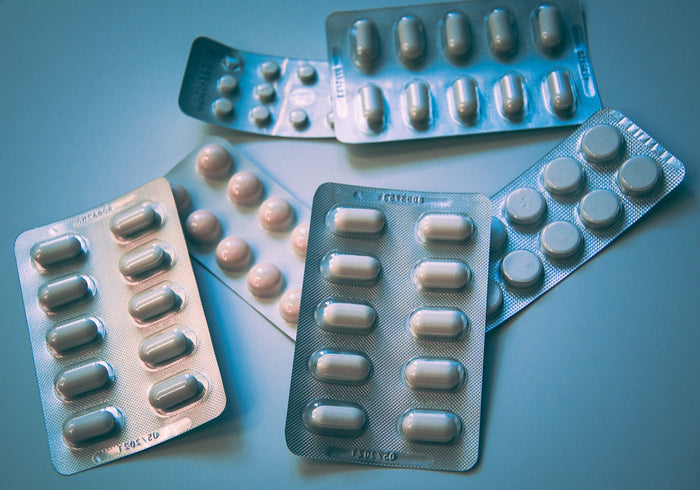
Commonly used iron supplements, such as ferrous sulfate, can cause gastrointestinal side effects in some users, such as constipation, nausea, and abdominal cramps (Tolkien et al., 2015). These complaints arise because free iron can irritate the intestinal lining.
The standard advice to start low and gradually build up the dose limits these complaints. But for those who need to replenish a significant deficiency, that is not always enough. In the case of a diagnosed deficiency, always discuss the right approach with your GP.
The liposomal approach
With liposomal iron, the iron is encapsulated in a sphere of phospholipids before it enters the digestive system. Liposomal iron is being researched as a form that may be better tolerated than standard iron salts; this research is still in full development.
PPH Liposomal Iron contains 17 mg of iron per capsule (121% of the reference intake), as ferrous fumarate, with ascorbic acid as an antioxidant.
Conclusion
Iron deficiency in women often has biological causes: menstruation, pregnancy, and differences in absorption. It cannot simply be solved by eating more spinach. If you suspect you have a deficiency, have your iron levels measured by your GP.
Your vitality is not optional — it is essential.
Frequently asked questions
Sources
- WHO (2021). Anaemia. Global Health Observatory. www.who.int/
- EFSA (2015). Scientific Opinion on Dietary Reference Values for iron. EFSA Journal. efsa.onlinelibrary.wiley.com/doi/10.2903/j.efsa.
- Tolkien Z. et al. (2015). Ferrous Sulfate Supplementation Causes Significant GI Side-Effects in Adults. PLOS ONE. pubmed.ncbi.nlm.nih.gov/25700159/
- Piskin E. et al. (2022). Iron absorption: Factors, limitations, and improvement methods. ACS Omega. pubmed.ncbi.nlm.nih.gov/35647927/